2026-10-11 · Frank Rossi
Preventing Burst Pipes During Norristown Winters
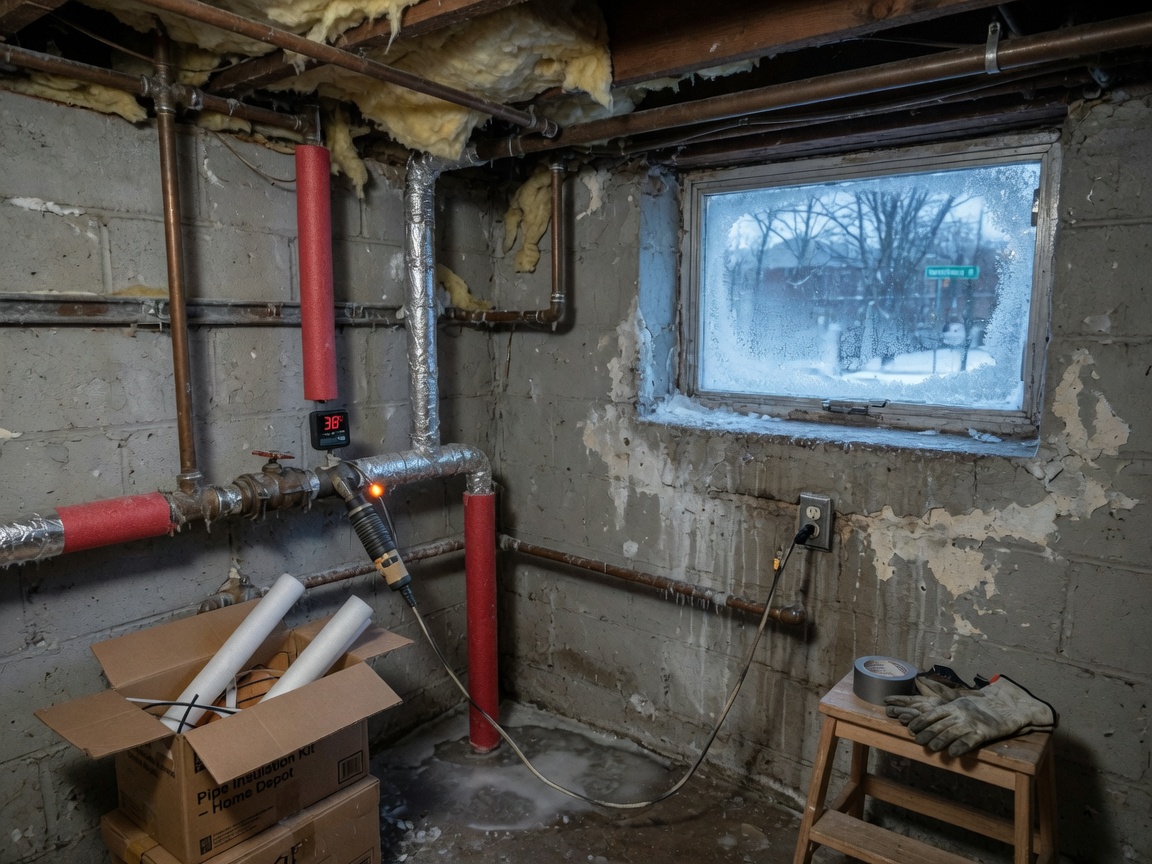
Preventing burst pipes during Norristown winters begins with insulating exposed lines in crawl spaces and attics before overnight lows hit 25 degrees or below. Homes built before 1970 in East Norristown and West Norristown often have copper or galvanized steel that expands and splits when water freezes inside. The humid subtropical climate means sudden cold snaps after mild periods catch many properties off guard, especially near the Schuylkill River Trail where wind chill accelerates heat loss. Checking shutoff valves and adding foam sleeves on pipes in unheated basements cuts the chance of a full break that sends water into finished spaces.
Winter Pipe Vulnerabilities in Montgomery County Housing Stock
Many single-family homes in Elmwood Park and Hancock date to the 1940s through 1960s with limited or missing insulation around water lines. These properties sit on soil that retains moisture from the nearby Schuylkill River, so ground temperatures stay colder longer than in newer subdivisions closer to Pottstown. When daytime highs reach only 35 degrees and nights drop fast, water in horizontal runs under kitchens and bathrooms expands and stresses joints. Residents in Penn Square Village report more frequent issues in laundry rooms where pipes run along exterior walls without protection. Adding pipe sleeves rated for 0-degree exposure before December prevents the majority of these splits without needing full pipe replacement.
Practical Insulation Steps for Norristown Homes
Start by locating all pipes in unheated areas such as garages, crawl spaces, and attic spaces common in older East Norristown stock. Wrap 1/2-inch and 3/4-inch lines with foam insulation at least 1/2-inch thick, securing seams with tape rated for outdoor use. Focus first on runs within 6 inches of exterior walls or near the Montgomery County Courthouse area where wind exposure is higher. Leave a small gap at valves so they remain accessible during an emergency. For homes along the Schuylkill River Trail corridor, also insulate the main incoming line where it enters the foundation, because river humidity keeps soil damp and conducts cold deeper. These steps take one afternoon and hold up through multiple freeze-thaw cycles typical between December and February.
Monitoring and Early Response Before a Break Occurs
Check the main shutoff valve monthly to confirm it turns fully without sticking, a common problem in humid summers followed by sudden freezes. Listen for dripping sounds in walls during the first cold snap and feel for cold spots on drywall near pipe routes. If pressure drops or a faucet sputters after a freeze, shut water at the curb stop and call for frozen pipe repair before ice expands further. Properties in Roberts Park and Stony Creek benefit from installing a whole-house leak detector that alerts phones when flow continues after hours. Keeping the thermostat above 60 degrees in sections of the house with plumbing, even when away, maintains enough warmth to stop ice formation in most 1940s-era homes.
When to Call for Professional Assessment
If pipes have already shown slow flow after a cold night, schedule an inspection rather than waiting for a full burst. Technicians familiar with Norristown's mix of copper and early PEX can spot corrosion or improper slope that worsens winter risks. Homes near Elmwood Park Zoo often have longer runs to second-floor baths that need heat tape on the coldest sections. After any repair, document the location for future reference so the same vulnerable spot receives extra insulation the next season. This approach keeps minor issues from turning into water damage that affects finished basements common throughout the county.